
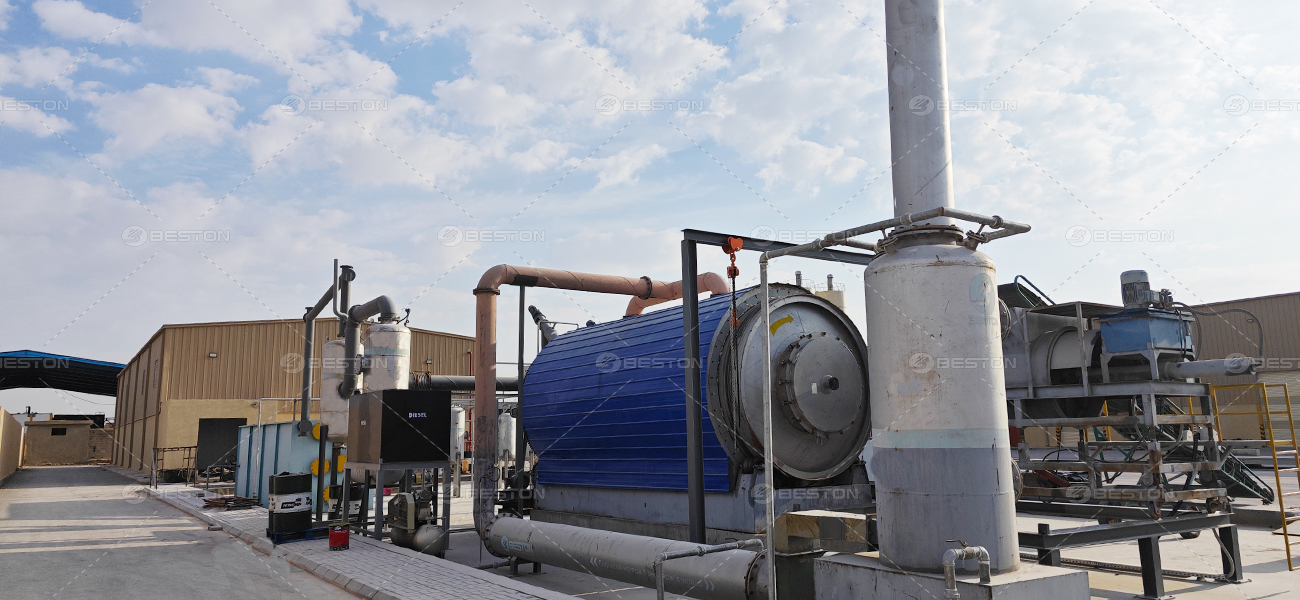
The shift toward sustainable waste management solutions has driven significant innovations in pyrolysis technology, particularly in waste-to-energy applications. Pyrolysis, a thermal decomposition process that occurs in the absence of oxygen, has emerged as a pivotal technique for converting various waste materials into valuable resources. Among its most promising applications is the conversion of waste tires into usable energy products, such as oil, gas, and carbon black.
The Role of Pyrolysis in Waste-to-Energy
A pyrolysis plant for sale can offer an environmentally friendly solution to the ever-growing issue of waste tire disposal. As traditional recycling methods for tires become increasingly inadequate, the need for more efficient and sustainable alternatives becomes more pressing. Pyrolysis technology addresses this challenge by breaking down waste tires at high temperatures, resulting in a range of products that can be further processed into useful fuels. The process not only helps mitigate the environmental impact of tire waste but also recycles valuable raw materials for other industries.

Continuous Waste Tire Pyrolysis Plant: Enhancing Efficiency
One of the most significant advancements in pyrolysis technology is the development of continuous waste tire pyrolysis plants. Unlike batch systems, which process waste in discrete cycles, continuous plants operate without interruption, providing a constant output of energy and materials. This improvement greatly enhances efficiency, making the process more scalable and economically viable. In continuous systems, feedstock is continually added, and the produced oil, gas, and char are collected in real-time, ensuring a steady supply of raw materials for various industries.
Continuous waste tire pyrolysis plants also offer enhanced automation, reducing the need for manual intervention and lowering operational costs. The system’s ability to handle large volumes of waste tires without compromising on the quality of the output makes it an attractive option for both small-scale and industrial-scale operations.

Tyre to Oil Plant: A Sustainable Energy Source
A tyre to oil plant is an exemplary application of pyrolysis technology in the waste-to-energy sector. The process transforms waste tires into oil that can be used as a fuel source in various industries, including power generation and manufacturing. The oil produced during pyrolysis is rich in hydrocarbons, making it an excellent substitute for traditional petroleum-based fuels. This not only provides an alternative energy source but also helps reduce dependence on fossil fuels, contributing to the global transition toward renewable energy.
Additionally, the oil produced in a tyre to oil plant can be further refined for use in engines, machinery, or even as a raw material for the production of chemical products. The versatility of the by-products enhances the economic potential of pyrolysis, creating new opportunities for energy recovery from waste materials.
Environmental and Economic Benefits
The environmental benefits of pyrolysis are considerable. By diverting waste tires from landfills and incinerators, pyrolysis plants reduce the carbon footprint associated with traditional disposal methods. Furthermore, the products generated—oil, gas, and carbon black—are valuable commodities in their own right, contributing to a circular economy where waste materials are repurposed into usable resources.
From an economic standpoint, the continuous nature of modern pyrolysis plants allows for greater throughput and higher profit margins. As demand for alternative energy sources continues to grow, the ability to scale operations efficiently makes pyrolysis an attractive investment for businesses seeking sustainable solutions.
Conclusion
Advances in pyrolysis technology, particularly the continuous waste tire pyrolysis plant and tyre to oil plant, represent a crucial step forward in the pursuit of sustainable waste-to-energy solutions. These innovations offer enhanced efficiency, reduced environmental impact, and new economic opportunities, positioning pyrolysis as a cornerstone of the circular economy. As the technology continues to evolve, its potential to address both waste management and energy production challenges will only increase, providing a cleaner, more sustainable future.